



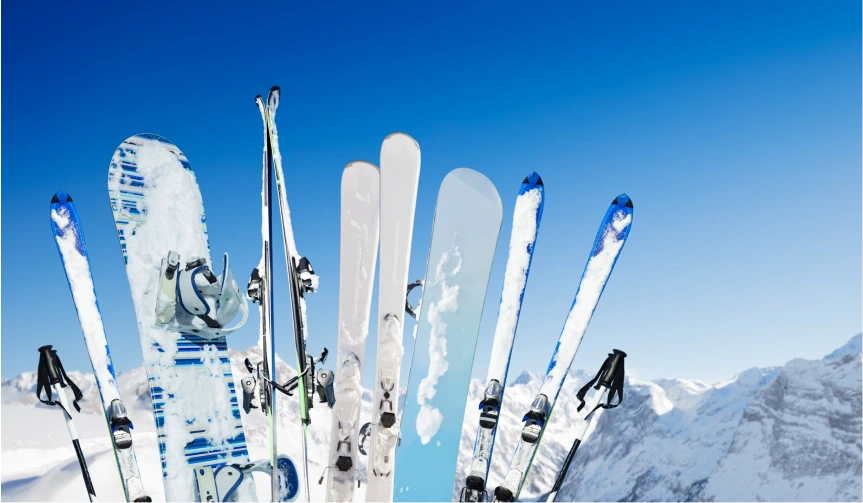
Winter holidays, especially in resorts where winter sports are practiced, involve risks such as slope injuries, hypothermia, avalanches, road accidents, and respiratory illnesses. These risks arise due to extreme weather conditions, slippery terrain, overcrowding, and high altitude.
What winter holiday risks mean
Winter holiday risks refer to health and safety hazards associated with low temperatures, snow, ice, winter sports, and travel in mountainous areas. In resorts where winter sports are practiced, these risks are amplified by intense physical activity and unpredictable natural conditions.
How risks occur and what types exist
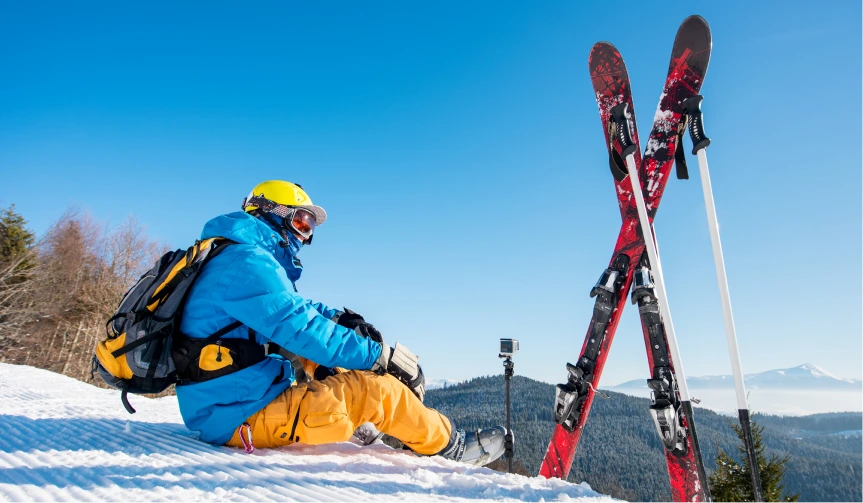
Slope injuries
Practicing skiing or snowboarding involves speed and loss of balance.
Collisions with other skiers or falls may cause sprains, fractures, or head injuries. Lack of protective equipment increases the severity of injuries.
Hypothermia and frostbite
Prolonged exposure to temperatures below 0°C leads to loss of body heat, while wind and moisture accelerate this heat loss. If body temperature drops below 35°C, hypothermia occurs.
The World Health Organization explains that hypothermia is a medical emergency that can lead to confusion, loss of consciousness, and death.
Avalanches
Unstable snow layers may give way on steep slopes. Vibrations caused by skiers can trigger the movement of snow masses. People caught in avalanches may suffer suffocation or severe trauma.
Road accidents
Roads covered with ice or black ice reduce traction.
Low visibility increases the risk of collisions. In addition, improperly equipped vehicles contribute to incidents.
Altitude-related medical problems
At altitudes above 2,500 meters, altitude sickness may occur. Symptoms include headaches, nausea, and fatigue. In such situations, intense physical effort worsens the symptoms.
Travel insurance for winter sports
Travel insurance for winter holidays must explicitly include coverage for winter sports, as many standard policies exclude activities considered high risk.
What travel medical insurance should include when planning winter sports
Emergency medical expenses
- Treatment for fractures, sprains, dislocations, and trauma.
- Medical consultations and investigations (X-rays, MRI scans, etc.).
- Hospitalization.
- Emergency surgical interventions.
- Medication and medical supplies.
Mountain rescue and evacuation
- Costs for rescue team intervention on or off the slope.
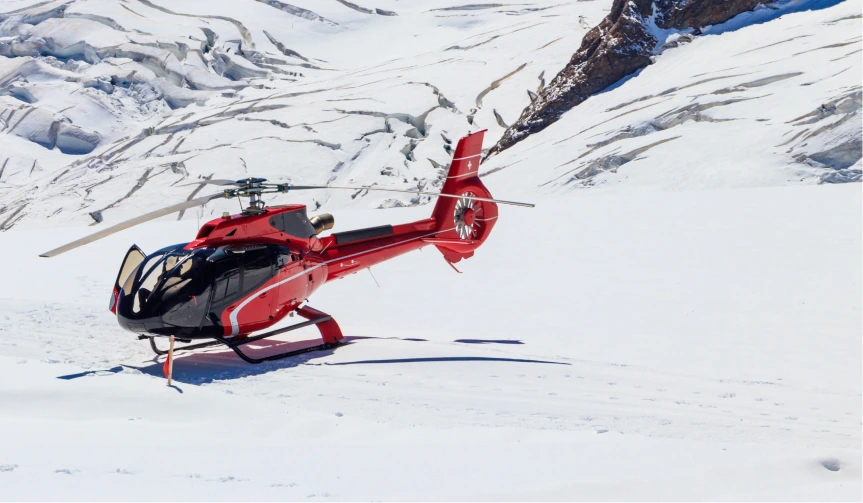
- Emergency medical transport (including helicopter, if necessary).
Medical repatriation
- Transport back to the country of residence in case of serious accident.
- Repatriation in case of death.
Personal liability
- Coverage for damage caused to other persons in case of a slope collision.
- Property damage (destroyed equipment).
Coverage for specific winter sports
- Recreational skiing.
- Snowboarding.
- Off-piste skiing (if practiced, it must be verified whether it is included or requires a special extension).
Trip cancellation or interruption
- Reimbursement of costs in case of accident before or during the holiday.
- Reimbursement for unused accommodation nights.
- Lost airline tickets.
- Flight cancellation.
Estimated cost of insurance
For one month in Europe with €30,000 medical coverage plus recreational winter sports, the premium may range between approximately €65 and €130 (depending on the offer), with a sports supplement of about +15–30%.
Enjoy your favorite winter sports with peace of mind
Identifying these risks helps prevent accidents by using the proper equipment, adhering to safety regulations, and careful monitoring the weather conditions. Preventive measures significantly reduce the number of injuries and fatalities in mountain resorts.
Winter holidays in ski resorts involve major risks such as injuries, hypothermia, avalanches, road accidents, and altitude-related problems. These result from the combination of severe weather conditions, mountainous terrain, and sporting activities. Prevention and proper information significantly reduce the impact of these dangers.